The future of hardware design

Tell the machine what to build. It engineers the rest.

DesignXGenie turns plain English into manufacturing-ready 3D CAD — complete with tolerances, materials, and compliance documentation. Design cycles that took weeks now happen in seconds.

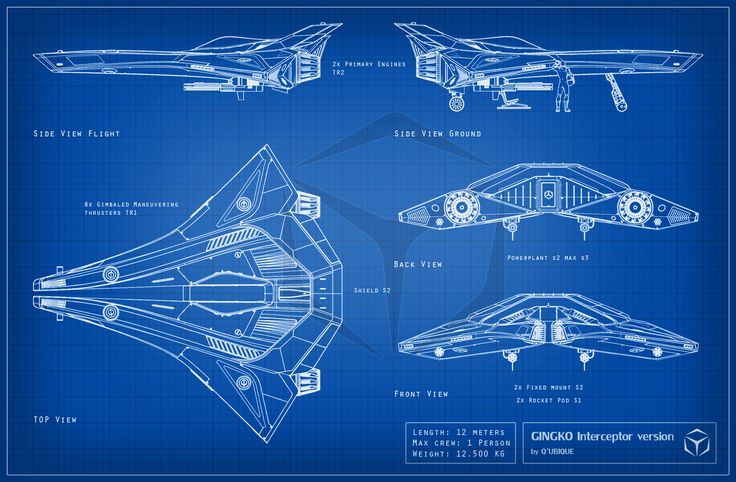
Spaceship engineering blueprint with multi-view CAD design

Hardware moves at the speed of its slowest drawing

Every physical product begins as a CAD file. Yet creating that file is still a painstaking, manual craft — an engineer clicks, constrains, and iterates for days before a single prototype is cut. The gap between an idea and its geometry is where innovation stalls.

Today's AI can write novels and paint portraits, but ask it to design a bracket that bolts to an engine block and survives thermal cycling — it falls apart. The physical world demands a different kind of intelligence, one that thinks in shapes, loads, and shop-floor reality.

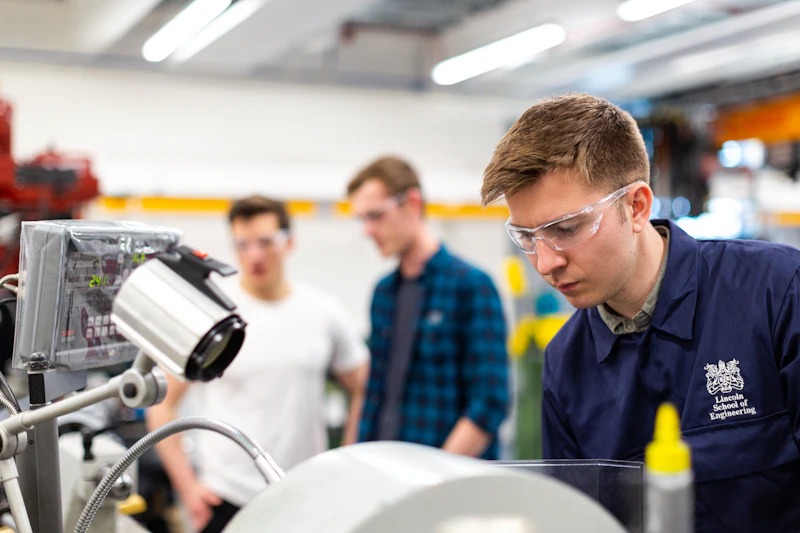
Engineering design and manufacturing process

An AI that thinks like an engineer, not an artist

We taught machines to read blueprints before we taught them to read prompts. Our models are steeped in the language of manufacturing — GD&T callouts, wall-thickness rules, draft angles, and the hundred quiet constraints that separate a render from a real part.

You describe what you need in plain words. The system returns a fully parametric CAD file — editable, simulation-ready, and annotated with the tolerances your shop floor expects. No mesh cleanup. No guesswork.

Export to STEP, STL, or push directly into Onshape, Fusion 360, and Pi-CADS without leaving your workflow.

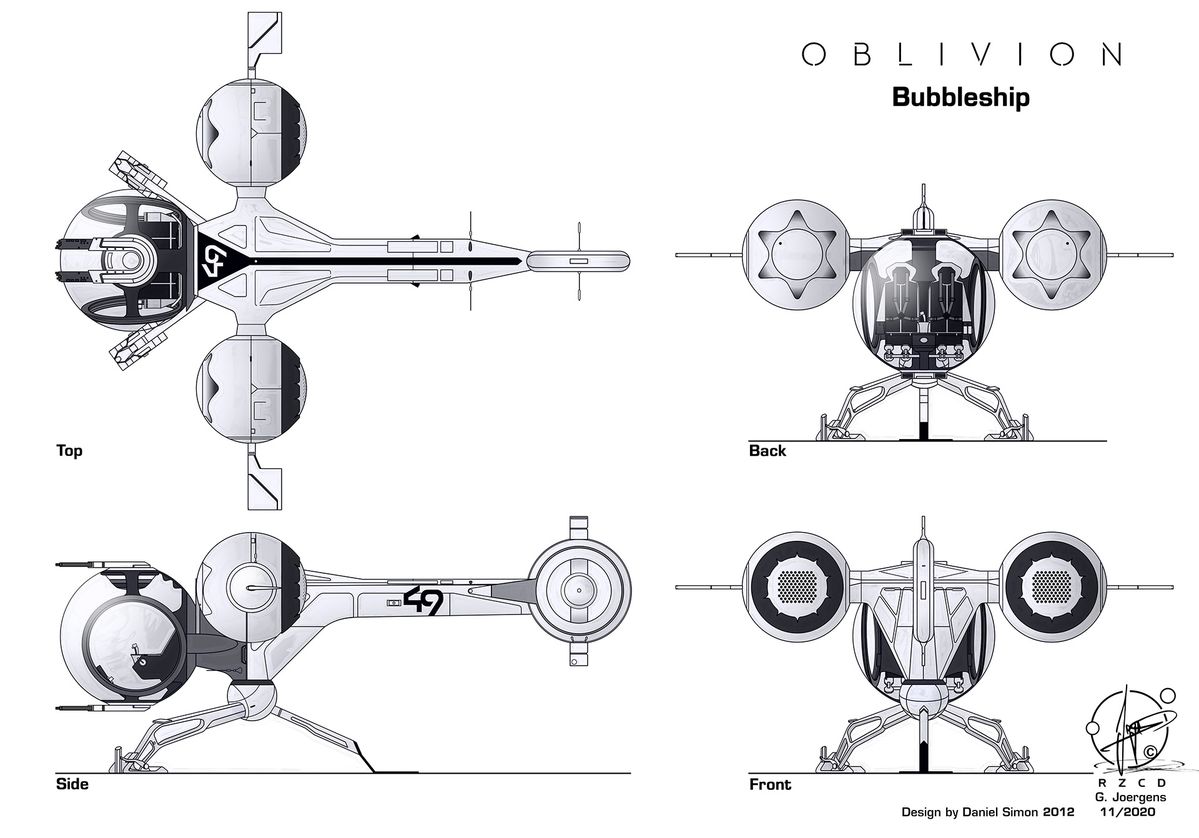
Engineering blueprint showing multi-view CAD design
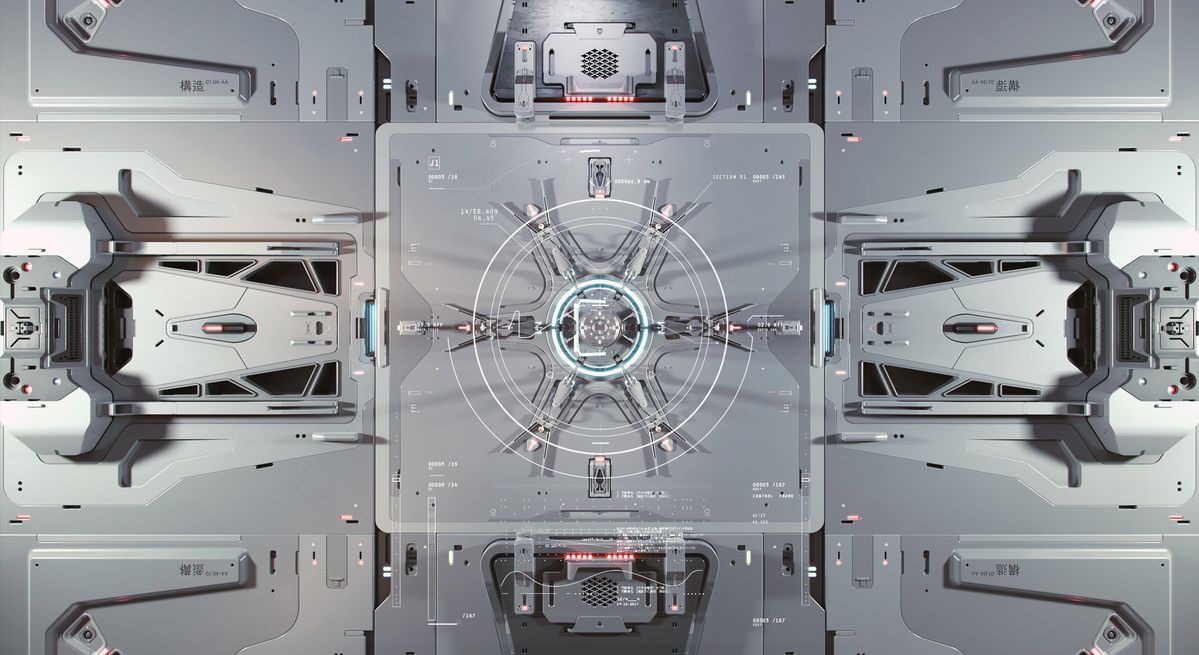
Futuristic engineering design panel

Every part carries the DNA of a million real components

Our pipeline isn't a single model with a clever prompt. It's a chain of specialist networks — one parses your intent, another sculpts geometry, a third pressure-tests it against the rulebook of your industry.

The result is a file that already knows the rules: IATF 16949 for automotive, ISO 13485 for medical devices, IPC for electronics. Compliance isn't bolted on at the end; it's baked into the generation itself.

We aren't rendering pretty pictures in three dimensions. We're producing geometry that a CNC machine can cut, a mold can fill, and an assembly line can trust.

Artificial intelligence and neural network visualization

Where we operate

Four industries. Zero guesswork.

Each vertical has its own model, trained on the standards, materials, and failure modes that define its engineering culture.

Automotive

Automotive Engineering

From under-hood heat shields to Class-A body panels — our automotive model speaks the language of PPAP submissions, crash-load paths, and micron-level tolerances that OEM quality gates demand.

  • Engine Components
  • Transmission Systems
  • Chassis & Suspension
  • Interior Mechanisms
  • PPAP Documentation
  • A-Surface Modeling
Electronics

Electronics & PCB Design

Enclosures that breathe heat away, snap-fits that survive drop tests, and shielding geometries that keep emissions in check — generated ready for injection molding or CNC.

  • Enclosure Design
  • Heat Sink Solutions
  • Connector Housings
  • Cable Management
  • EMI/RFI Shielding
  • Thermal Analysis
Construction

Construction & Architecture

Describe a floor plan in words; receive a BIM-ready model with structural framing, code-compliant egress, and renderable exteriors — all in one pass.

  • Architectural Design
  • Floor Plans & Layouts
  • BIM Integration
  • 3D Home Rendering
  • Structural Analysis
  • Building Codes
Medical

Medical Devices & Equipment

Surgical grips contoured for gloved hands, implant housings sized for sterilization trays, diagnostic enclosures that meet cleanroom rigor — every output traced to ISO 13485.

  • Surgical Instruments
  • Diagnostic Equipment
  • Implant Components
  • Medical Housings
  • Sterilization Ready
  • ISO 13485 Compliant

From words to parts

Five steps. One sentence in, one CAD file out.

Each stage is a separate specialist — chained together so you never touch the seams.

1

Speak

Type what you need — a sketch on a napkin or a full spec sheet, we take both

2

Decode

Our language model extracts dimensions, materials, and unspoken constraints

3

Shape

Geometry engines sculpt parametric solids, not triangle soup

4

Stress-test

Automated checks for wall thickness, draft, and industry compliance

5

Ship

Download STEP, STL, or push straight into your CAD platform

Who it's for

Wherever parts are designed, we accelerate the loop

One platform, many starting points

OEMs & Tier-1s

Cut weeks off vehicle programs by generating first-pass geometry the moment requirements land — not after a queue of backlogged designers.

Design Houses

Handle more client briefs without more headcount. Let the AI draft, let your engineers refine — the creative judgment stays human.

Startups

Go from whiteboard sketch to testable prototype in a day, not a quarter. Iterate on hardware as fast as you iterate on code.

Educators

Give students a co-pilot that shows how real-world constraints shape geometry — the fastest bridge between textbook theory and shop-floor practice.

Team

Engineers building tools for engineers

We've spent careers on factory floors and in research labs — now we're combining both worlds.

Srinivas Mahankali

Srinivas Mahankali

LinkedIn
Panchi Samuthrakarni

Panchi Samuthrakarni

LinkedIn
Eka Pillai

Eka Pillai

LinkedIn

Naveen

LinkedIn

Terli

LinkedIn

FAQ

Common questions, straight answers

If you don't find your answer here, hit the demo form and ask us directly.

What exactly does DesignXGenie produce?

+

Fully parametric 3D CAD files — the kind you open in Onshape or Fusion 360 and immediately edit, simulate, or send to a vendor. Not renderings, not meshes, not concept art. Real engineering geometry with dimensions, tolerances, and material callouts already in place.

How is this different from ChatGPT or image generators?

+

Those tools think in pixels and tokens. Ours thinks in B-Rep solids, fillet radii, and draft angles. A chatbot can describe a gear; we generate one that meshes correctly, clears the housing, and survives the load. The training data isn't internet text — it's millions of production-proven CAD components.

Which file formats and platforms do you support?

+

STEP and STL out of the box, plus native push-to-platform for Onshape, Fusion 360, and Pi-CADS. Your team keeps working in the tools they already know — we just fill the library faster.

Does the AI replace our design team?

+

No — it replaces the blank-screen problem. Your engineers still own every design decision; the AI just gives them a smart first draft in seconds instead of starting from a rectangle every Monday morning. Think co-pilot, not autopilot.

Can it learn our company's design rules?

+

Absolutely. We fine-tune on your preferred wall thicknesses, fastener libraries, surface-finish specs, and internal templates. After onboarding, generated parts look like they came from someone who's been on your team for years.

Let's talk

Ready to shorten your design cycle?

Tell us what you build and we'll show you what the AI can draft before your coffee gets cold.

×